Understanding Hurricane Tree Damage in Texas
The Rio Grande Valley experiences some of the most intense weather systems in Texas, and Brownsville homeowners know all too well the devastation that hurricane-force winds can inflict on trees and property. When tropical storms and hurricanes approach, trees become both a blessing and a potential liability. While mature trees provide shade, privacy, and aesthetic value to our homes, weak or poorly maintained trees can become dangerous projectiles during severe weather, causing catastrophic damage to roofs, vehicles, and neighboring properties.
Hurricane tree damage in Texas is not merely cosmetic. The financial and safety implications are serious. A single large branch or uprooted tree can cost thousands of dollars to remove and repair, not to mention the risk to human life. Understanding how storms affect trees in our region is the first step toward proactive protection. Trees with weak branch attachments, disease, or structural imbalances are far more likely to fail during high winds. By identifying these vulnerabilities now, before hurricane season peaks, you can take decisive action to protect your Brownsville home.
Tree Pruning Before Hurricane Season: A Critical Investment
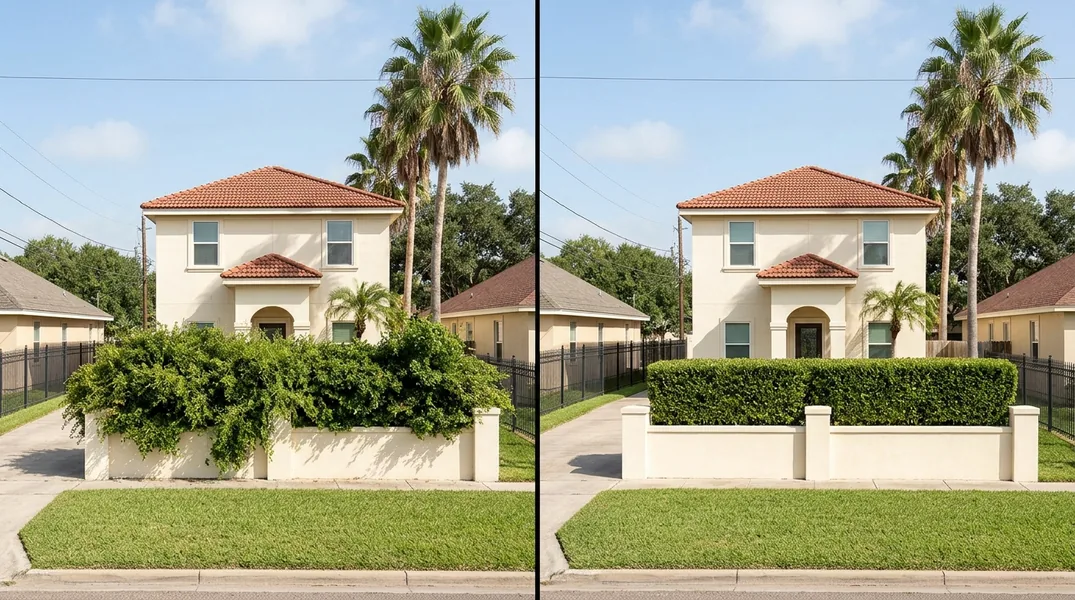
Tree Trimming & Pruning before hurricane season is one of the most effective ways to reduce storm risk. Strategic pruning removes dead wood, eliminates crossing branches, and reduces wind resistance by opening up the canopy. When a tree's crown is properly thinned, wind passes through more easily rather than catching the entire mass of foliage and branches like a sail. This simple principle can mean the difference between a tree surviving a major storm intact and losing major limbs or toppling entirely.
Professional arborists in Brownsville understand the specific growth patterns and vulnerabilities of trees in our subtropical climate. Species like live oaks, mesquites, and Brazilian peppers all respond differently to pruning, and improper cuts can actually weaken a tree. Certified pruning follows the three-cut method and removes only what is necessary to improve structure and health. The goal is not to reduce the tree to a bare skeleton, but to enhance its natural form while removing hazardous growth. Late spring through early summer is ideal for most pruning in our region, giving trees time to heal before hurricane season arrives in late August.
Identifying High-Risk Trees on Your Property
Not all trees on your property pose equal risk during a hurricane. Learning to spot warning signs can help you prioritize which trees need immediate attention. Look for dead branches, which are brittle and snap easily in high winds. Check for signs of disease or pest damage, including bare patches of bark, fungal growth, or unusual discoloration. Trees that lean significantly, have large cavities or hollow sections, or show evidence of previous storm damage are also candidates for closer inspection. Root problems, including surface roots that indicate shallow planting or soil erosion, can compromise a tree's ability to withstand wind stress.
Another critical factor is tree placement relative to your home and property lines. A healthy tree positioned directly over your roof poses more risk than the same tree standing in an open yard. Consider the proximity to power lines, neighboring homes, and vehicles. If you are uncertain about the condition of any large tree on your property, contact Brownsville Tree Service at (956) 506-4310 for a professional assessment. Our experienced arborists can evaluate each tree's structural integrity and recommend whether pruning, bracing, or Tree Removal is the safest option.
When Tree Removal Is the Best Choice
Sometimes the most responsible decision is to remove a tree rather than attempt to save it. If a tree is severely diseased, structurally unsound, or poses an unacceptable risk to life and property, removal is often the wisest investment. Trees that are more than 75 percent dead, those with major cracks in the trunk, or trees that have already lost significant limbs in previous storms are poor candidates for preservation. In these cases, Tree Removal before hurricane season eliminates the risk entirely and allows you to replant with healthier, better-positioned specimens.
The process of removing a large tree safely requires professional equipment and expertise. Improper removal can damage your home, injure people, or create hazards for neighbors. Brownsville Tree Service uses industry-standard techniques and equipment to remove trees of any size while protecting your property. After removal, we can also handle Stump Grinding to eliminate the stump and roots, allowing you to reclaim your yard space for landscaping or other uses. Addressing risky trees now means you will not face an Emergency Tree Service call during the height of hurricane season when professional services are overwhelmed.
Storm Damage Tree Removal: What to Expect
If your trees do sustain damage during a hurricane or severe storm, prompt removal of broken branches and fallen trees is essential for safety and property protection. Storm damage tree removal in Brownsville requires immediate action, especially if trees are blocking roads, threatening structures, or creating hazards. Hanging branches pose a particular danger, as they can fall without warning as the tree continues to settle. Fallen trees may damage power lines, and attempting to move them yourself could result in serious injury or electrocution.
Professional storm damage removal teams have the equipment and training to assess hazardous situations and work safely. They can remove large trees from roofs, clear debris from yards, and haul away heavy wood safely. Many homeowners are surprised to learn that their homeowners insurance may cover tree removal costs if the tree damaged the insured structure. After the immediate danger is cleared, our team can help you decide whether remaining damaged trees can be pruned and saved or should be removed entirely. The sooner you address storm damage, the better your chances of preventing secondary damage and restoring your property to safety.
Preparing Your Hurricane Response Plan Now
Comprehensive hurricane preparation goes beyond individual tree care. Create a written plan that identifies which trees on your property are at risk, which professionals you will call if damage occurs, and what your insurance covers. Document the current condition of your trees with photos and notes, which can be valuable for insurance claims. Trim back branches that overhang your roof, gutters, or power lines. Clear dead leaves and branches from gutters and downspouts so storm water can drain properly. If you have trees with multiple trunks or weak branch angles, consider bracing systems that can provide additional support during high winds.
Timing is critical. The ideal window for hurricane preparation in South Texas is May through July, before peak storm season. Once August arrives and active hurricane forecasting begins, professional tree services become extremely busy, and response times lengthen. By taking action now, you ensure that your property receives the attention it needs and that you are not scrambling for emergency services when storms threaten. Contact Brownsville Tree Service today at (956) 506-4310 or request a free estimate to discuss your specific hurricane tree prep needs. Our team is ready to help you protect your home and family before the next storm arrives.
Looking for a professional tree service contractor in Brownsville? Brownsville Tree Service responds fast for all your tree service needs.
Get a Free QuoteOur services: Tree Removal · Tree Trimming & Pruning · Stump Grinding